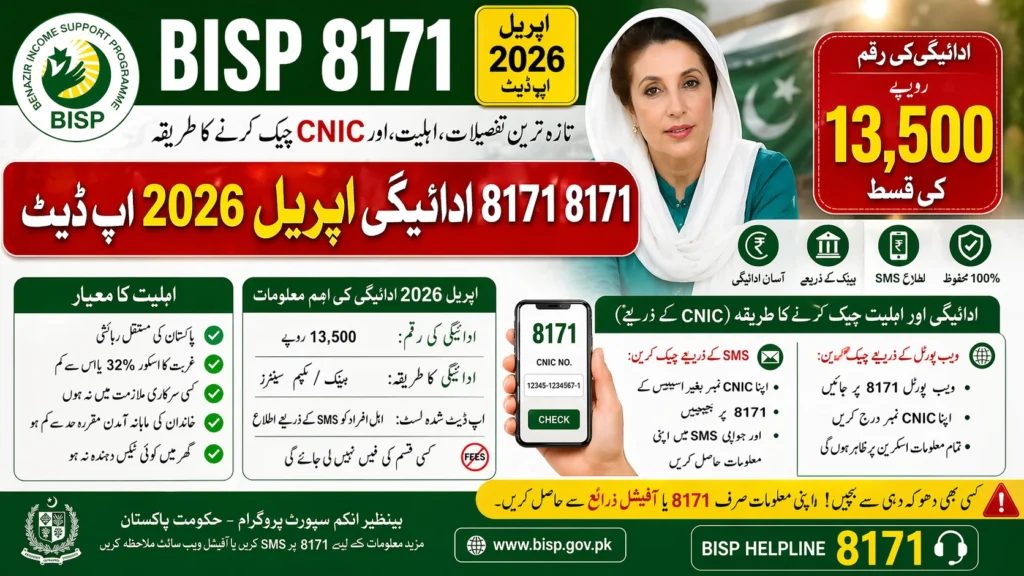
The Benazir Income Support Programme (BISP) has evolved into one of Pakistan’s most important digital welfare platforms by 2026. It is now focused on transparency, efficiency, and large-scale financial inclusion through modern technology-driven systems.
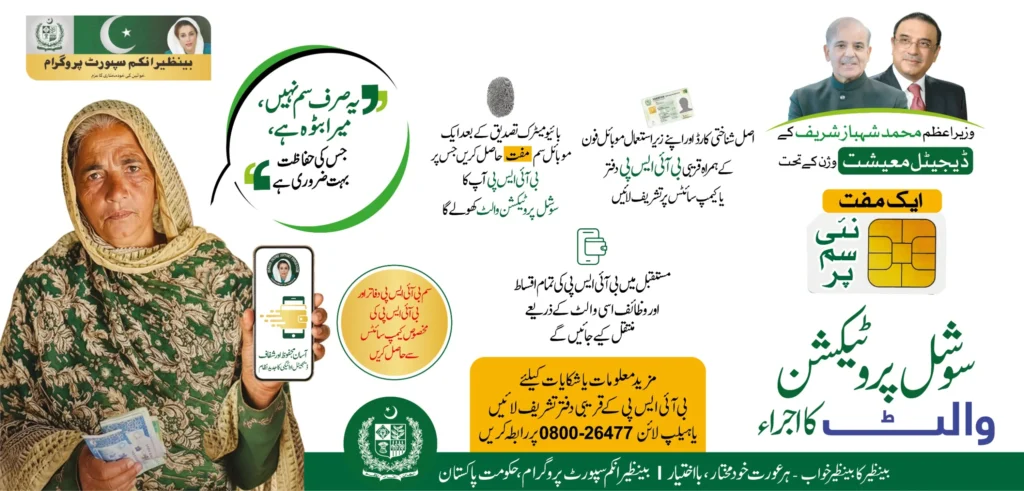
Strengthening Financial Inclusion Through Digital Payments
BISP has significantly expanded its role in promoting financial inclusion by shifting beneficiaries from cash-based support to digital and bank-linked payment systems. This transition allows low-income households to safely receive and manage funds through formal financial channels, reducing dependency on informal cash handling.
Biometric Verification and Transparent Benefit Distribution
A key advancement in the system is the use of biometric verification for beneficiary identification. This ensures that financial assistance reaches the correct individuals while reducing fraud, duplication, and administrative leakage. The result is a more transparent and accountable welfare distribution mechanism.
Data-Driven Targeting via National Socioeconomic Registry
The program relies on a centralized data system, often referred to as the national socioeconomic registry, to identify eligible families. This data-driven approach enables precise targeting of support, ensuring that assistance is directed toward the most vulnerable populations based on verified household information.
Reducing Poverty and Supporting Low-Income Households
BISP plays a critical role in reducing extreme poverty by providing regular financial assistance to deserving families. These transfers help households meet essential needs such as food, healthcare, and education, contributing to improved living standards and economic stability at the household level.
Economic Impact of Cash Transfers on Local Markets
Cash transfers under BISP also generate broader economic benefits. When beneficiaries spend assistance on essential goods, it increases demand in local markets, particularly in rural and low-income urban areas. This circulation of funds helps support small businesses and stimulates grassroots economic activity.
Women Empowerment and Household Financial Stability
A significant portion of BISP beneficiaries are women, which strengthens their role in household financial decision-making. Direct transfers to women improve financial autonomy, enhance household stability, and contribute to long-term empowerment within families and communities.
Alignment with National Development and Global SDGs
BISP aligns with Pakistan’s national development agenda and global goals such as poverty reduction, gender equality, and inclusive economic growth. It contributes directly to sustainable development objectives by building a structured social protection system.
Future of Pakistan’s Digital Welfare System
Looking ahead, BISP is expected to further expand its digital infrastructure, improve real-time data integration, and strengthen partnerships with financial institutions. These developments aim to create a more efficient, transparent, and scalable welfare system for the future.